28.09.2026
Mandibular advancement devices (MADs), sometimes called a sleep apnoea mouth guard or mandibular advancement splint, are one of the most effective alternatives to CPAP for snoring, upper airway resistance syndrome (UARS) and mild-to-moderate obstructive sleep apnoea (OSA). Overall, roughly two-thirds of people benefit meaningfully from oral appliance therapy, and about one-third have their sleep apnoea fully resolved. But a question we are often asked at the consent appointment is: “How do I know if it will work for me?”
The honest answer is that no single test or feature can guarantee success in any one person. Predicting the individual response remains the central unsolved problem in oral appliance therapy (Cistulli and Sutherland, Journal of Oral Rehabilitation, 2019). What research can tell us is which characteristics make a good response more likely. Understanding these helps us set realistic expectations, choose the right device, and decide who may still need a confirmatory sleep study.
Below is a plain-English summary of what the evidence shows.
The Typical “Good Responder” Profile
Two large reviews pooling dozens of studies have identified a fairly consistent picture of the person most likely to do well with a mandibular advancement device (Chen et al., Sleep Medicine Reviews, 2020; Camañes-Gonzalvo et al., Sleep Medicine Reviews, 2022):
- Younger age
- Female sex
- Lower body weight (lower BMI)
- Smaller neck circumference
- Less severe sleep apnoea to begin with (when “success” means bringing the airway measurements back into the normal range)
These features tend to reflect an airway that is less heavily loaded and therefore easier to hold open by bringing the lower jaw forward.
An Important Nuance About Severity
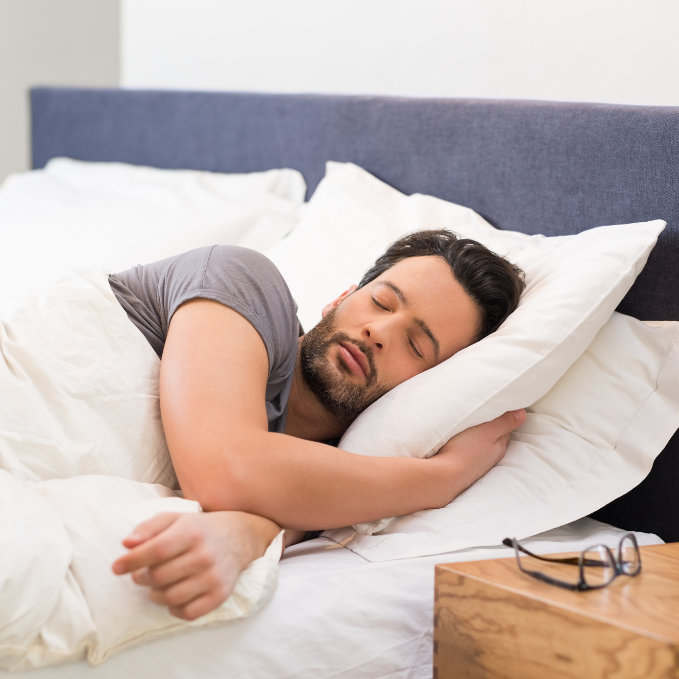
It might seem that only people with mild sleep apnoea benefit, but that is not the whole story. People who start with more severe apnoea often experience the largest absolute improvement in their breathing during sleep, even if their numbers do not fall all the way into the “normal” range. One recent study found that female sex, a naturally set-back lower jaw, and a higher starting severity each predicted a greater reduction in breathing events (Hamza et al., Sleep Medicine, 2026; Bronwasser et al., Journal of Oral Rehabilitation, 2026).
In short: milder cases are more likely to be fully normalised, but more severe cases can still gain a great deal. How we define “success” changes the answer.
Sleeping Position Matters
People whose apnoea is much worse when lying on their back, so-called positional sleep apnoea, tend to respond particularly well. In one prospective study, positional OSA was among the only independent predictors of success, probably because the device counteracts the backward slide of the jaw and tongue that happens when you lie flat (Petri et al., Sleep Medicine, 2019).
If this sounds familiar, our guide to the best position to sleep for apnoea explains how sleeping posture affects the airway.
Facial and Jaw Structure (Craniofacial Features)
The shape of the face, jaws and airway, assessed from clinical examination and sometimes X-rays, also influences the response. Features associated with a better result include (Chen et al., 2020; Camañes-Gonzalvo et al., 2022; Ma et al., Journal of Oral Rehabilitation, 2023):
- A set-back (retruded) upper and lower jaw
- A shorter, narrower airway and a shorter soft palate
- Certain measurements of facial height and the position of the hyoid bone in the neck
The way the jaw is oriented vertically also plays a role: people with a strongly “downward-and-back” (high-angle) facial pattern may need the jaw advanced further to get the same benefit, because moving the jaw forward also rotates it slightly open. The evidence on this particular point is genuinely mixed, which is why individual assessment matters (Ma et al., 2023).
What’s Happening Inside the Airway
More detailed sleep and airway studies can add useful information:
- Where the airway collapses: during a sleep endoscopy, collapse mainly at the base of the tongue tends to predict a good response to a MAD, whereas a complete circular collapse of the soft palate or collapse of the epiglottis tends to predict a poorer response (Gambino et al., Internal and Emergency Medicine, 2022; Cebola et al., PLOS One, 2024).
- Breathing control stability: people whose breathing control system is more stable overnight (in technical terms, a “lower loop gain”) respond better, independent of their weight or apnoea severity (Op de Beeck et al., Annals of the American Thoracic Society, 2021).
A lower required CPAP pressure (below about 10.5 cmH₂O) also tends to indicate someone more likely to succeed with an oral appliance (Gambino et al., 2022).
The Bottom Line for Patients
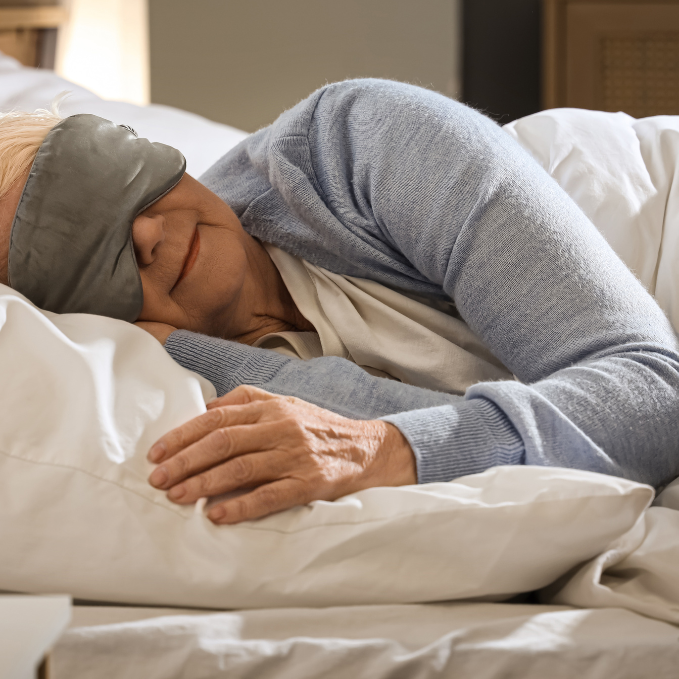
Even the best available prediction tools are imperfect, so we do not rely on any one of them to decide whether a MAD will work for you. Instead, we combine your overall profile with the single most reliable step of all: fitting your mandibular advancement device for sleep apnoea, gradually adjusting (“titrating”) the jaw position, and confirming the result with a follow-up sleep study once you are settled on the device (Cistulli and Sutherland, 2019).
If your profile is favourable, that is reassuring, but the confirmatory test still matters. And if your profile is less favourable, it does not mean the device won’t help; it simply means we watch the results more closely and keep CPAP and other options in mind.
Frequently Asked Questions
Do mandibular advancement devices actually work?
For many people, yes. Around two-thirds of patients benefit meaningfully from a mandibular advancement device, and in about one-third sleep apnoea resolves completely. The only way to confirm it’s working for you is a follow-up sleep study once the device has been adjusted.
Is a sleep apnoea mouth guard as effective as CPAP?
CPAP generally reduces breathing events more on paper, but it only works when it’s worn. Many people find an oral appliance easier to use every night, which is why it’s a well-established alternative to CPAP for snoring and mild-to-moderate obstructive sleep apnoea.
Can a mandibular advancement device help with severe sleep apnoea?
It can still bring a large improvement, even if breathing doesn’t return fully to the normal range. For severe cases, results are monitored closely and CPAP or other treatments are kept in mind alongside the device.
Does sleeping position affect how well oral appliance therapy works?
Yes. People whose apnoea is much worse when lying on their back, known as positional sleep apnoea, tend to respond particularly well because the device helps stop the jaw and tongue falling backwards.
Is a custom-made device better than an over-the-counter mouth guard?
A custom mandibular advancement splint is made from impressions of your teeth and can be adjusted gradually to find the most effective jaw position. Off-the-shelf devices can’t be titrated in the same way and aren’t suitable for managing diagnosed sleep apnoea without clinical supervision.
Do I need a sleep study after getting a mandibular advancement device?
Yes. A confirmatory sleep study once you’re settled on the device is the most reliable way to check it’s controlling your sleep apnoea, whatever your profile suggested beforehand.
Getting Help in London
If you would like to discuss whether oral appliance therapy is likely to suit you, please get in touch with Dr Aditi Desai’s dental sleep medicine practice to arrange an assessment at Wimpole Street, The Shard or Cromwell Hospital.
 Book Consultation