
27.08.2026
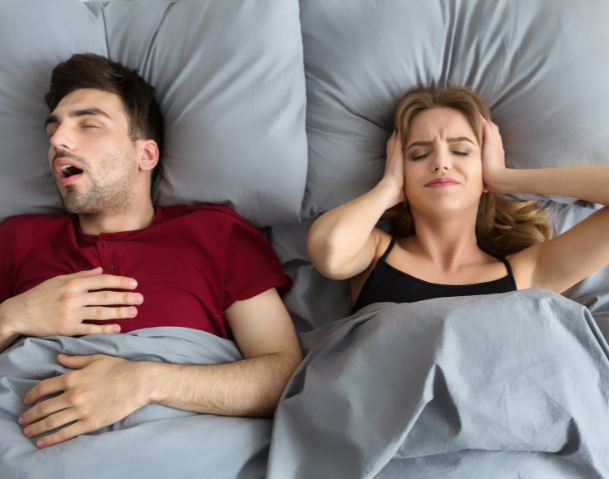
Waking up with a raw, scratchy throat is something many people put down to a cold that never quite arrives. More often, a sore throat from snoring is simply connected, with the discomfort caused by a night of loud breathing rather than any infection at all. Understanding why snoring so often leaves the throat feeling sore makes it much easier to tell the difference between a passing irritation and something worth addressing properly.
It’s a strange thing to have to explain to a partner, or to a colleague who asks why your voice sounds rough on a Monday morning, but the mechanism behind it is straightforward once you understand what’s happening in the airway overnight. This guide covers why it happens, what makes it worse, how to ease it, and when it’s worth having properly assessed.
Why Snoring Causes a Sore Throat
Snoring happens when air moving through a partially blocked airway causes the soft tissues at the back of the throat to vibrate. That vibration isn’t a gentle process. Repeated all night, it irritates the same tissues over and over, which is one of the more direct reasons the two so often appear together by morning.
It also tends to come with mouth breathing, and a mouth held open for hours overnight dries out the throat considerably faster than nasal breathing would. This combination of vibration and dryness is why the complaint is so common, particularly after a night of heavier snoring than usual. The throat’s lining relies on a thin layer of moisture to stay comfortable, and hours of dry air passing directly over it strips that away long before morning.
The severity often tracks fairly closely with how loud or prolonged the snoring was. A quiet night with only light snoring rarely leaves much trace, whereas a night of loud, sustained snoring, particularly lying flat on the back, is far more likely to leave the throat feeling raw by the time the alarm goes off.

Other Factors That Make It Worse
Snoring rarely happens in isolation, and several related factors tend to make the resulting irritation worse on any given night:
- Sleeping in a dry bedroom, which removes moisture from the air the throat depends on, particularly during winter months when central heating runs overnight
- Alcohol in the evening, which relaxes throat muscles and increases both snoring volume and airway vibration
- Sleeping on your back, a position that makes the tongue and soft palate more likely to fall backward and obstruct airflow
- Seasonal allergies, a cold, or a structural issue such as a deviated septum, all of which force more air through the mouth rather than the nose
- Dehydration, which leaves less natural moisture available to protect the throat overnight
- Certain medications, including antihistamines and some blood pressure treatments, which can have a drying effect on the mouth and throat
Any one of these can turn an ordinary night of snoring into something noticeably more uncomfortable by morning, and it’s common for more than one to be at play at once, particularly during colder months when heating, dry air, and seasonal colds tend to overlap.
What Happens in the Body Overnight
It helps to picture what’s actually happening while you sleep. As the muscles supporting the airway relax, the space at the back of the throat narrows. Air still has to pass through that narrower space to reach the lungs, so it speeds up and starts to vibrate the loose tissue around it, in much the same way that air rushing through a partially closed door can make it rattle.
That rattling, repeated hundreds of times over the course of a night, is mechanically irritating to the tissue involved. Add several hours of mouth breathing on top, and the throat is left both mechanically irritated and dried out by the time you wake, which is why the discomfort is often most noticeable first thing in the morning and tends to ease once you’ve had something to drink and the tissue has had a chance to recover.
When It’s More Than an Occasional Niggle
A sore throat after one particularly heavy night of snoring usually isn’t a concern. It’s a different matter when the soreness shows up most mornings, or comes alongside loud snoring, gasping, or breathing pauses noticed by a partner. That pattern points towards something more persistent than dry air or a single rough night, and it’s worth mentioning at an assessment rather than treating it as background noise.
A throat that’s sore most days, rather than occasionally, is also worth distinguishing from a genuine infection. A viral sore throat usually comes with other symptoms, such as a temperature, swollen glands, or general fatigue that doesn’t lift once you’re up and about. A snoring-related sore throat, by contrast, tends to ease within an hour or two of waking and rehydrating, with no other illness attached.
Easing a Sore Throat Caused by Snoring
A few practical steps tend to help when this has become a regular pattern:
- Keeping a glass of water by the bed and staying well hydrated during the day, not just before sleep
- Using a humidifier if the bedroom air tends to be dry, particularly during winter months
- Reducing or avoiding alcohol in the hours before bed
- Trying to sleep on your side rather than your back, which can reduce airway vibration
- Addressing nasal congestion before bed, since a clear nose reduces the likelihood of mouth breathing
- Cutting back on caffeine in the evening, since it can contribute to a drier mouth overnight alongside its other effects on sleep
These steps tend to help most with occasional, mild soreness linked to dryness and vibration. They’re far less effective when the underlying cause is a narrowed or partially obstructed airway, which is where a proper assessment becomes more useful than another home remedy.
When to See a Specialist
An occasional sore throat after a heavy night rarely needs professional input. Snoring that happens most nights, is loud enough to disturb a partner, or comes with gasping or breathing pauses is a different matter, and it’s worth having assessed properly. This pattern can be part of the same picture as obstructive sleep apnoea, where a sore throat is just one part of a wider breathing problem during sleep. Our piece on the hidden effects of snoring on health covers some of the wider effects worth knowing about.
A proper assessment looks at what’s actually narrowing the airway, rather than just managing the symptoms it produces. Depending on what’s found, that might mean addressing nasal congestion, adjusting sleep position, or considering a device such as a mandibular advancement device to keep the airway open overnight, which tends to reduce both the snoring itself and the throat irritation that follows it.
Frequently Asked Questions
Is a sore throat from snoring a sign of something serious?
An occasional sore throat after snoring is usually just irritation from vibration and dryness. Snoring most nights alongside a sore throat, particularly with gasping or breathing pauses, is worth having checked properly.
How long does a sore throat from snoring take to go away?
It typically eases within an hour or two of waking as the throat rehydrates. Soreness that lasts all day or returns most mornings is worth having checked.
Why does my throat hurt more after a night of heavy snoring?
Heavier snoring usually means more airway vibration and often more mouth breathing, both of which irritate and dry out the throat tissue more than a quieter night would.
Can drinking more water reduce a sore throat from snoring?
Staying well hydrated can reduce throat dryness and may ease mild symptoms, though it won’t resolve snoring caused by airway obstruction or sleep position on its own.
Does sleeping position affect snoring and throat soreness?
Yes. Sleeping on your back makes airway obstruction more likely, which tends to increase both the volume of snoring and the resulting throat irritation the next morning.
How can I tell if it’s a sore throat from snoring or a cold?
A snoring-related sore throat usually eases soon after waking and isn’t accompanied by other symptoms. A temperature, swollen glands, or lingering fatigue point more towards an infection.
If sore mornings and snoring have become a regular part of your routine, it’s worth finding out what’s actually happening overnight rather than treating it as an inconvenience. Dr Aditi Desai, President of the British Society of Dental Sleep Medicine, offers thorough assessments for snoring and related sleep problems at her London practices on Wimpole Street, The Shard, and Cromwell Hospital, with treatment tailored to the underlying cause. Book your consultation to talk through your symptoms and find a lasting solution.
 Book Consultation

