
20.11.2025
Sleep apnoea is a common yet often undiagnosed sleep disorder that affects millions of people worldwide. Characterized by frequent interruptions in breathing during sleep, sleep apnoea can lead to restless nights, fatigue, and a host of other health problems. While there are conventional treatments available, such as continuous positive airway pressure (CPAP) therapy, an increasing number of people are turning to natural methods like yoga and sleep apnoea treatment to improve their quality of sleep.
In particular, yoga for snoring and sleep apnoea has garnered attention for its potential to alleviate symptoms and improve overall sleep.
Let’s explore how yoga and sleep apnoea can work together, focusing on the various ways yoga and sleep apnoea breathing techniques can be used to reduce the impact of this condition.
What is Sleep Apnoea?
Before diving into how yoga for sleep apnoea can help, it’s essential to understand what sleep apnoea is and how it affects the body. Sleep apnoea occurs when the muscles in the back of the throat relax excessively, causing a temporary obstruction of the airway during sleep. This can last for several seconds or even minutes, leading to decreased oxygen levels and fragmented sleep.
There are two main types of sleep apnoea:
- Obstructive sleep apnoea (OSA): The most common form, where the throat muscles relax, blocking the airway.
- Central sleep apnoea (CSA): A less common form, where the brain fails to send the proper signals to the muscles that control breathing.
- Complex sleep apnoea syndrome: A combination of both obstructive and central sleep apnoea.
The consequences of untreated sleep apnoea include daytime fatigue, increased risk of heart disease, hypertension, and poor cognitive function. However, there are ways to manage and even reduce the severity of sleep apnoea, and yoga and sleep apnoea is one such approach.
How Yoga Can Help with Sleep Apnoea
While yoga and sleep apnoea treatment cannot replace medical interventions for severe cases, it can be an effective complementary approach to improve sleep quality and reduce symptoms. Yoga helps by promoting muscle relaxation, improving breathing techniques, and reducing stress – all of which are essential for managing sleep apnoea.
Improving Breathing Patterns with Yoga
One of the primary benefits of yoga and sleep apnoea breathing is its ability to retrain the breath. By incorporating yoga for sleep apnoea into your routine, you can learn to control and deepen your breath, which can help reduce the episodes of airway obstruction that occur during sleep.
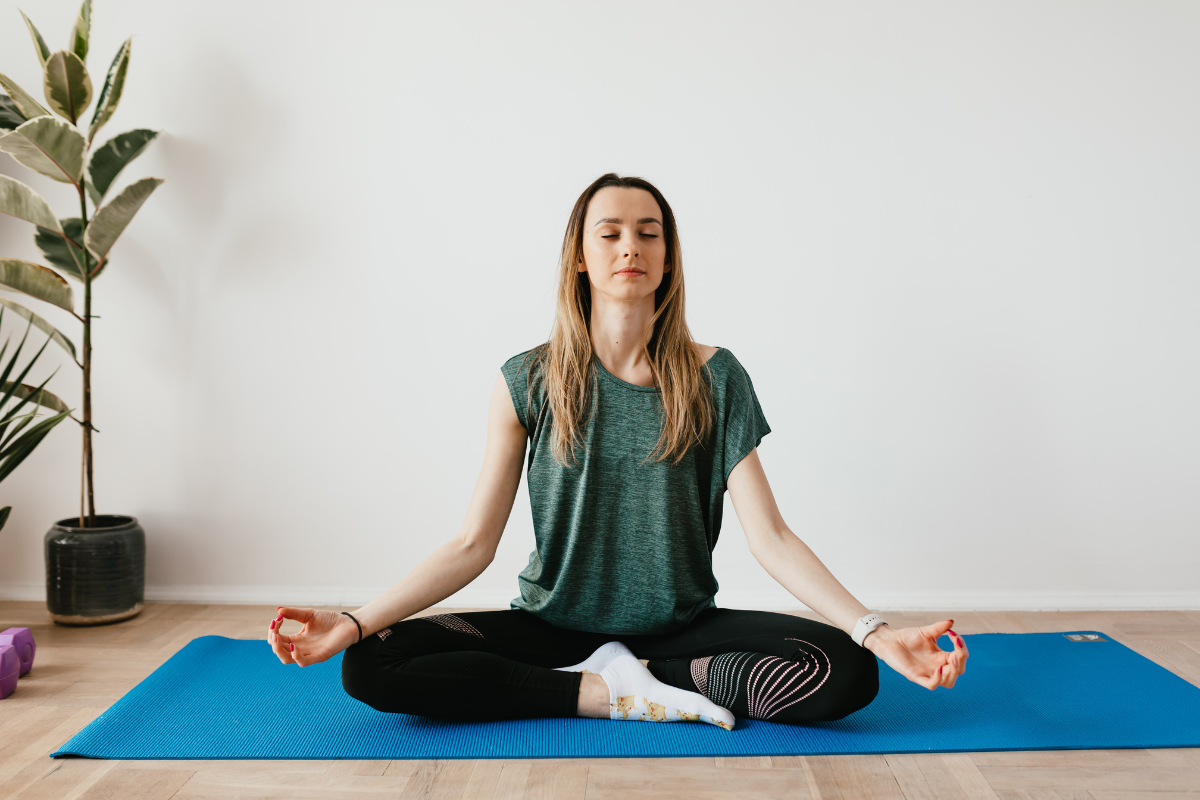
Breathing exercises, such as pranayama, are a cornerstone of yoga practice. These exercises focus on controlling the breath and expanding lung capacity. Some of the most effective pranayama techniques for managing sleep apnoea include:
- Anulom Vilom (Alternate Nostril Breathing): This exercise helps to regulate the breath and balance the body’s energy, promoting relaxation and reducing stress.
- Bhastrika (Bellows Breath): A powerful breathing technique that stimulates the lungs, clears blockages in the airways, and increases oxygen flow, which may help in reducing snoring and improving sleep quality.
- Ujjayi Pranayama (Victorious Breath): This breathing technique focuses on slow, deep, and controlled breaths, helping to calm the nervous system and reduce muscle tension in the throat and chest.
By practicing yoga and sleep apnoea breathing techniques, individuals can enhance the muscle tone of the throat and reduce the likelihood of airway collapse during sleep.
 Relaxing the Muscles of the Throat and Jaw
Another way yoga for obstructive sleep apnoea can be helpful is by relaxing the muscles of the throat and jaw, which often play a key role in airway obstruction. Tension in the throat, jaw, and neck muscles can contribute to snoring and apnoeic episodes. Certain yoga poses and techniques can target these muscles, promoting relaxation and better airflow.
For example:
- Neck and Jaw Stretches: Simple yoga stretches targeting the neck and jaw can help release tension, making it easier to breathe during sleep.
- Forward Bend Poses: Poses such as Uttanasana (standing forward bend) can improve circulation and stretch the muscles around the neck and upper chest, promoting better airflow.
- Lion’s Breath (Simhasana): This yoga practice involves inhaling deeply through the nose and exhaling forcefully through the mouth while making a “roaring” sound. It helps to open up the throat and clear any tension or blockages in the airway.
By incorporating these poses into your daily routine, you can work towards relaxing the muscles that contribute to obstructive sleep apnoea and yoga.
Reducing Stress and Anxiety with Yoga
Stress and anxiety are common contributors to poor sleep quality and can worsen the symptoms of sleep apnoea. Yoga and sleep apnoea practices offer a calming effect on both the body and mind. The relaxation techniques taught in yoga, such as meditation, mindfulness, and deep breathing, can help reduce stress levels and improve sleep.
Practices such as Yin Yoga or Restorative Yoga are especially beneficial for those with sleep apnoea because they focus on deep relaxation and gentle stretching. These practices help activate the parasympathetic nervous system, also known as the “rest and digest” system, which counters the stress-induced “fight or flight” response and promotes a state of relaxation conducive to sleep.
Yoga nidra (a form of guided relaxation or “yogic sleep”) is another technique that can be used to improve sleep quality. This practice involves entering a deeply relaxed state while remaining conscious, which can be incredibly beneficial for those who suffer from stress or anxiety that disrupts their sleep.
 Yoga and Sleep Apnoea: A Holistic Treatment Approach
Incorporating yoga and sleep apnoea practices into your daily routine can be an effective way to manage the symptoms of sleep apnoea, reduce snoring, and improve overall sleep quality. While yoga alone may not replace medical treatments for severe cases of sleep apnoea, it can complement other therapies such as CPAP or oral appliances, providing a holistic treatment approach.
Yoga and sleep apnoea treatment not only helps with breathing and muscle relaxation but also promotes better mental well-being. By reducing stress and enhancing your body’s natural ability to relax and breathe deeply, yoga can help transform your sleep patterns and improve your overall health.
Yoga for obstructive sleep apnoea and yoga breathing techniques are valuable tools for improving sleep quality and managing sleep apnoea. By focusing on breath control, muscle relaxation, stress reduction, and better body alignment, yoga can complement traditional treatments and provide a holistic approach to managing this common sleep disorder. Whether it’s using yoga and sleep apnoea breathing exercises or yoga for snoring and sleep apnoea, incorporating these practices into your lifestyle can help you enjoy more restful, uninterrupted sleep, leading to better health and well-being.