
17.04.2026
If you’re waking up two or more times a night to use the bathroom, it’s easy to assume you have a bladder problem. But for many people, the real cause is happening while they sleep, and it has nothing to do with the bladder at all. Sleep apnoea and frequent urination are more closely connected than most people realise, and understanding that link can be the first step toward finally sleeping through the night.
A dental sleep medicine specialist explains what’s actually driving the pattern, what it means for your health, and when it’s worth getting a proper assessment.
What Is Nocturia?
Nocturia is the medical term for waking up during the night specifically because you need to urinate. It’s distinct from going to the toilet if you happen to wake for another reason. Getting up once can be normal, particularly in older adults, but waking two or more times a night is considered clinically significant.
It’s a surprisingly common problem, and one that’s often misunderstood. Many people put it down to drinking too much in the evening, an ageing bladder, or, in men, a prostate issue. These are all genuine causes, and each deserves proper investigation. But in a meaningful number of cases, particularly where other sleep symptoms are also present, the underlying driver is disrupted breathing during sleep.
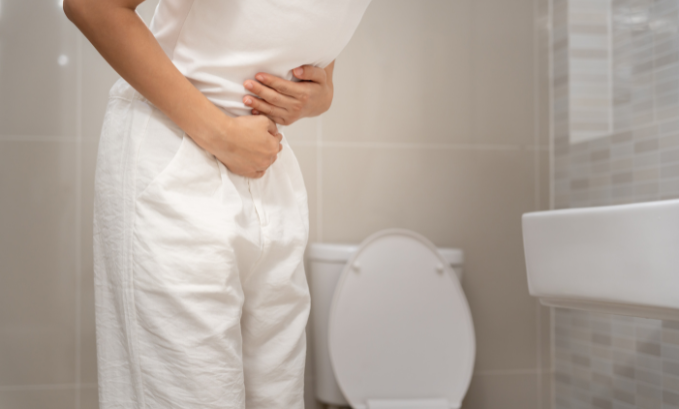
Why Does Sleep Apnoea Cause Frequent Urination?
With obstructive sleep apnoea, the airway repeatedly collapses during the night. Each time this happens, breathing pauses, oxygen levels fall, and the brain triggers a brief arousal to reopen the airway. This cycle can happen dozens of times a night, often without the person having any memory of waking. The effects reach well beyond snoring and daytime fatigue.
There are three key mechanisms behind sleep apnoea urination. Understanding each one helps explain why so many patients dealing with obstructive sleep apnoea also report waking repeatedly to use the bathroom.
Atrial Natriuretic Peptide and Your Kidneys
Every time the airway closes, the effort to breathe against the obstruction creates unusually negative pressure inside the chest. This puts significant strain on the heart, particularly the upper chambers. In response, the heart releases atrial natriuretic peptide (ANP), a hormone that signals the kidneys to excrete more sodium and water. Under normal circumstances, ANP helps regulate blood pressure during the day. At night, when it shouldn’t be activating in this way, the kidneys respond by producing far more urine than usual.
This is called nocturnal polyuria: excessive urine production during the night. It’s one of the most direct answers to why sleep apnoea causes frequent urination, and it’s driven by a hormonal response, not by anything specifically wrong with the bladder itself.
Increased Abdominal Pressure
The physical effort involved in breathing against a collapsed airway also increases pressure within the chest and abdomen. This pressure bears down on the bladder, reducing its effective capacity and making the urge to urinate feel more urgent, even when the bladder isn’t particularly full. Over the course of a night with repeated apnoea episodes, this effect accumulates.
Fragmented Sleep and Heightened Awareness
Repeated arousals from sleep also change how aware you are of physical sensations that you’d normally sleep through. A partially full bladder that you’d comfortably ignore in deep, continuous sleep becomes noticeable when your sleep is constantly broken. The bladder hasn’t changed, but your brain’s threshold for acting on the signal has. This is why treating the underlying sleep disorder, rather than focusing on the bladder, is so often the more effective solution.
How Nocturia Affects Your Daily Life
Waking repeatedly to urinate doesn’t just disrupt a single night. When it’s a nightly pattern, you consistently lose the sustained, deep sleep that allows the body and brain to recover. The consequences build over time: persistent fatigue that doesn’t improve no matter how early you go to bed, difficulty concentrating, mood changes, and a reduced ability to manage the demands of the day.
People who’ve dealt with this for years often accept it as part of ageing or simply part of their normal. But frequent nighttime urination linked to sleep apnoea is a treatable symptom. It doesn’t have to be permanent.
Could Your Nocturia Be a Sign of Sleep Apnoea?
If sleep apnoea is driving your nocturia, you’ll almost always notice other symptoms alongside it. These might include:
- Loud or interrupted snoring that others have commented on
- Waking with a dry mouth or a headache in the morning
- Feeling unrested after a full night in bed
- Excessive tiredness or drowsiness during the day
- Difficulty concentrating or remembering things
- Your partner noticing pauses or gasps in your breathing
Nocturia caused by a bladder problem alone tends to occur without these accompanying signs. If several of them feel familiar, it’s worth considering sleep apnoea as a possible cause rather than starting with the bladder. A sleep study can confirm whether obstructive sleep apnoea is present and how severe it is.
Other Causes of Frequent Nighttime Urination
Sleep apnoea is far from the only cause of nocturia, and it’s important to get the right diagnosis, because treatment depends entirely on what’s driving the problem. Other common contributors include:
- High fluid intake in the evening, particularly alcohol and caffeine, both of which increase urine production
- Diuretic medications taken late in the day
- Bladder conditions such as an overactive bladder or urinary tract infections
- Prostate enlargement in men
- Diabetes, which increases the volume of urine produced overall
- Heart failure or peripheral oedema, where fluid that pools in the legs during the day is reabsorbed into the bloodstream at night and filtered by the kidneys
Some of these causes can overlap with sleep apnoea, and in some patients, more than one factor is at play. If sleep-disordered breathing is contributing, addressing only the bladder or only the fluid intake won’t resolve the problem fully.
How Treating Sleep Apnoea Can Help
The most direct evidence that sleep apnoea causes nocturia comes from what happens when treatment is successful. For many patients, addressing the sleep apnoea brings a clear and often substantial reduction in nighttime urination, sometimes within just a few weeks of starting treatment.
CPAP Therapy
Continuous positive airway pressure (CPAP) therapy is the most established treatment for obstructive sleep apnoea. It works by delivering a steady flow of pressurised air through a mask worn during sleep, preventing the airway from collapsing. When apnoea episodes are controlled, the abnormal strain on the heart reduces, ANP release normalises, and the kidneys return to their usual pattern of producing more urine during waking hours and less at night.
Mandibular Advancement Devices
For patients who find CPAP uncomfortable to use consistently, or who have mild to moderate sleep apnoea, a mandibular advancement device (MAD) is a well-established alternative. This is a custom-fitted oral appliance worn during sleep that holds the lower jaw gently forward, keeping the airway open and reducing the frequency of apnoea episodes. Many patients find it more comfortable and more practical than CPAP, and for appropriate candidates, the clinical outcomes are comparable.
The right treatment option depends on the nature and severity of your sleep apnoea. A specialist can recommend whether CPAP therapy, a mandibular advancement device, or another approach is most appropriate for your situation, which is why a proper assessment is the essential starting point.
Lifestyle Adjustments That May Help
Alongside medical treatment, some practical changes can reduce how much nocturia disturbs your sleep:
- Limit fluids in the two to three hours before bed, particularly alcohol and caffeine, both of which stimulate urine production
- Elevate your legs in the evening if you tend to notice ankle swelling during the day; this encourages fluid to be absorbed before you go to bed rather than at night
- Maintain a healthy weight, since excess weight is a significant risk factor for sleep apnoea and directly worsens its severity
- Sleep on your side rather than your back, as back sleeping increases the likelihood of airway collapse during sleep
These adjustments are helpful supporting measures, but they’re unlikely to fully resolve nocturia on their own if sleep apnoea is the root cause.
Frequently Asked Questions
Why does sleep apnoea cause frequent urination?
Sleep apnoea triggers the release of atrial natriuretic peptide (ANP) due to strain on the heart during apnoeic episodes. This hormone signals the kidneys to produce excess urine at night. Increased abdominal pressure and fragmented sleep awareness also contribute to the pattern.
Can treating sleep apnoea stop me waking to urinate?
For many people, yes. Sleep apnoea urination is directly driven by the hormonal disruption caused by apnoeic episodes. When sleep apnoea is effectively treated, the nocturnal polyuria resolves, and the number of nighttime bathroom trips typically reduces significantly. Some patients notice the difference within the first few weeks of treatment.
How do I know if my nocturia is related to sleep apnoea?
Look for accompanying symptoms such as loud snoring, morning headaches, excessive daytime fatigue, or pauses in breathing noticed by your partner. A specialist can carry out an assessment and, where appropriate, arrange a sleep study to confirm whether sleep apnoea is present.
Your Next Step
If nocturia is regularly disrupting your sleep and you recognise other signs of sleep-disordered breathing, it’s worth speaking to a specialist. Dr. Aditi Desai offers comprehensive assessments and personalised treatment options, including oral appliance therapy, at her London practices.
Book a consultation to find out whether sleep apnoea is behind your symptoms.
Dr. Aditi Desai is the President of the British Society of Dental Sleep Medicine, with 48 years of experience in the dental field. She specialises in sleep apnoea, snoring, bruxism, and TMD treatment at her practices on Wimpole Street, The Shard, and Cromwell Hospital in London.
 Book Consultation