
20.05.2026
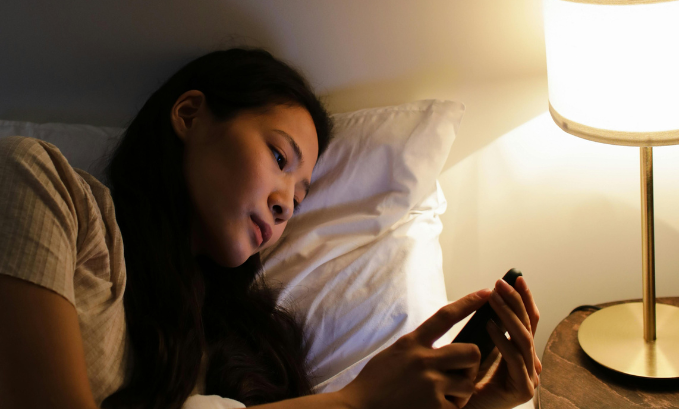
For many people, scrolling through a phone or watching television is part of an evening routine. It may feel like a way to unwind, but sleep medicine specialists are clear on one point: screen use close to bedtime consistently delays sleep onset, reduces sleep depth, and disrupts the biological processes that prepare the body for rest. Understanding how screen time affects sleep, and why the blue light emitted by screens is particularly problematic, is the first step towards making changes that produce real results.
The Biology Behind the Problem
Melatonin Suppression
The primary mechanism through which screens affect sleep is melatonin suppression. Melatonin is the hormone that signals to the brain that it is time to sleep. Its production rises naturally as light levels fall in the evening, but exposure to artificial light, particularly the short-wavelength blue light from phones, tablets, laptops, and television screens, signals to the brain that it is still daytime.
When you use a screen in the hours before bed, melatonin production is delayed. This pushes back the timing of sleep onset and shortens the window of deep, restorative sleep before the alarm goes off. Over time, this pattern can shift the body’s circadian rhythm, making it progressively harder to fall asleep at a reasonable hour.
Mental Stimulation
How the blue screen affects sleep is not only about light. Content itself plays a role. Engaging with social media, news, or stimulating video content activates the brain in ways that are incompatible with the relaxed state needed for sleep. The brain requires a wind-down period, a gradual slowing of mental activity. Scrolling through emotionally engaging content keeps the brain alert rather than allowing it to transition towards sleep.
This is particularly true of content that provokes anxiety, excitement, or social comparison. These emotional responses trigger mild stress reactions that work against the parasympathetic state the brain needs to initiate sleep.
Disrupted Sleep Architecture
Does screen time affect sleep quality as well as timing? Yes. Even when people who use screens before bed do fall asleep, the evidence is consistent: they spend less time in the deeper stages of sleep. Light sleep is less restorative, and people who spend insufficient time in deep sleep often report feeling unrefreshed in the morning despite what appears to be an adequate number of hours in bed.
The consequences are real. Concentration, memory, immune function, mood regulation, and metabolic health are all affected by insufficient deep sleep. For those with underlying sleep disorders such as sleep apnoea, screen-related sleep disruption compounds an already difficult situation.
How Much Screen Time Before Bed Is Too Much?
There is no precise threshold that applies to everyone equally, but research points consistently towards the final hour before sleep as the most sensitive period. Screens used within 30 to 60 minutes of bedtime produce the most measurable effects on melatonin levels and sleep onset.
Several factors influence individual sensitivity:
- Age: younger people tend to be more sensitive to blue light and more vulnerable to the stimulating effects of content
- Existing sleep difficulties: anyone already prone to insomnia or poor sleep is likely to experience more pronounced effects
- Brightness settings: higher screen brightness produces stronger melatonin suppression
- Type of content: passive viewing, such as a familiar television programme, tends to be less stimulating than active social media use
Does Screen Time Affect Sleep in Children More Than Adults?
Children’s circadian rhythms are more sensitive to light cues than adults’, and their sleep needs are greater. Evening screen use is correspondingly more disruptive. Children who use screens in the hour before bed consistently show later sleep onset, shorter total sleep duration, and poorer daytime attention.
Teenagers are particularly affected. Adolescent biology already pushes sleep timing later through a natural circadian shift, and evening screen use reinforces this delay further. The result is often a significant mismatch between the time teenagers actually fall asleep and the demands of early school start times, a pattern with well-documented consequences for mood, academic performance, and health.
Practical Steps to Protect Sleep from Screens
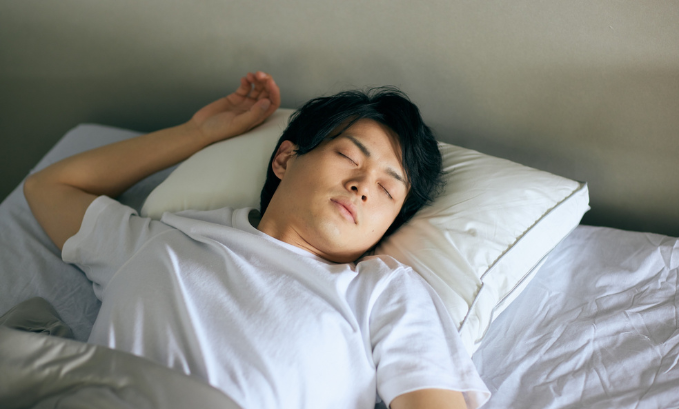
The most effective approach is creating a screen-free period before bed, ideally of at least one hour. For many people, this requires replacing the habit of evening scrolling with an alternative wind-down routine.
Practical measures include:
- Setting a consistent time to put devices away each evening and keeping that boundary
- Using night mode or warm-tone settings on devices if screens must be used, to reduce blue light output
- Charging phones in a room other than the bedroom, which removes the temptation to check them during the night
- Replacing screen use with activities that genuinely promote relaxation: reading, light stretching, or conversation
- Keeping the bedroom environment dark, cool, and free of devices
For people whose sleep difficulties go beyond screen habits, a specialist assessment is worthwhile. Poor cognitive function and daytime fatigue are often signs that something more than screen use is affecting sleep, and a thorough evaluation can identify the full picture.
Frequently Asked Questions
How does screen time affect sleep?
Screen time before bed suppresses melatonin production, delays sleep onset, and reduces time spent in deep sleep. The blue light emitted by screens signals to the brain that it is still daytime, disrupting the hormonal processes that initiate sleep.
How does blue screen affect sleep?
Blue light, the short-wavelength light emitted by phones, tablets, and laptops, is the most effective wavelength at suppressing melatonin. Even brief exposure in the evening can delay sleep onset and reduce overall sleep quality by shortening the time spent in restorative deep sleep stages.
Does screen time affect sleep in children?
Yes, and often more severely than in adults. Children and teenagers are more sensitive to light cues and have greater sleep needs. Evening screen use consistently results in later sleep onset, shorter sleep duration, and poorer daytime attention in younger age groups.
How long before bed should I stop using screens?
Stopping screen use at least 60 minutes before your intended sleep time produces the most benefit. The final 30 minutes before bed have the strongest effect on melatonin suppression, so even a modest change in timing can make a noticeable difference.
Can blue light glasses help?
Blue light filtering glasses reduce the amount of short-wavelength light reaching the eyes and may partially offset melatonin suppression. They are not as effective as simply reducing screen use before bed, but they can be a useful measure for people who cannot avoid evening screen exposure.
Take the Next Step
If you’re struggling with sleep quality, screen habits may be part of the picture, but they’re rarely the whole story. As a dental sleep medicine specialist in London, Dr. Aditi Desai offers thorough assessments for sleep apnoea, snoring, and other sleep-related conditions, helping patients understand what is affecting their sleep and find effective, lasting solutions.
Book a consultation to discuss your symptoms and take the first step towards better sleep.
 Book Consultation