
15.06.2026
People with ADHD experience higher-than-average rates of teeth grinding and jaw clenching, a pattern that has become more clearly understood in recent years. The bruxism that affects many individuals with ADHD is not coincidental. It reflects shared neurological features and, in some cases, the effects of stimulant medication. Understanding the bruxism and ADHD relationship is important for managing both conditions effectively.
Why ADHD Raises the Risk of Bruxism
Nervous System Arousal and Teeth Grinding
ADHD is associated with differences in the regulation of the central nervous system. Elevated arousal, difficulty transitioning between states of alertness and rest, and a tendency towards tension-related habits are all characteristic features. Bruxism fits this pattern. The repetitive jaw muscle activity involved in grinding and clenching appears to serve as a form of self-regulation in people with heightened nervous system arousal, a way of managing excess tension that does not resolve through conventional winding down.
For many people, adhd and bruxism symptoms are most noticeable at night. Sleep in individuals with ADHD is frequently disrupted, involving lighter sleep stages and more frequent micro-arousals. These patterns are associated with increased nocturnal bruxism, since the regulatory mechanisms that typically suppress muscle activity during sleep are less effective when sleep architecture is fragmented.
The Role of ADHD Medication
Stimulant medications, which are among the most commonly prescribed treatments for ADHD, are associated with increased bruxism in some patients. These medications raise dopamine and noradrenaline levels in the brain, which can heighten muscle tension as a side effect. Not every patient taking stimulants develops or worsens bruxism, but it is a recognised association that warrants attention. Patients who notice bruxism and ADHD medication-related jaw symptoms should discuss this with their prescribing clinician, as dosage timing or alternative formulations may help.
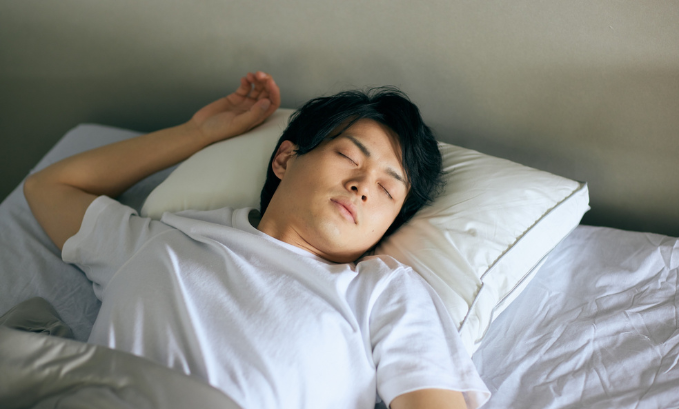
How Bruxism and ADHD Affect Sleep
The interaction between bruxism and ADHD is not limited to behaviour during sleep. Both conditions are independently associated with poor sleep quality, and together they create a cycle that can be difficult to break. ADHD makes it harder to fall asleep and maintain deep sleep. Bruxism, meanwhile, generates micro-arousals and contributes to morning jaw pain and headaches that further reduce the restorative value of sleep.
Poor sleep in turn worsens ADHD symptoms, reducing attention, impulse control, and emotional regulation during the day. The relationship between sleep disorders and ADHD is well established and affects both adults and children.
Recognising the Signs
The signs of adhd and bruxism presenting together can include:
- Worn, flattened, or chipped teeth, often noticed by a dentist before the patient is aware
- Morning jaw pain, stiffness, or aching
- Headaches in the morning or early in the day, typically around the temples
- Disturbed sleep, frequent waking, or unrefreshing sleep
- Sensitivity in the teeth, particularly when eating or drinking something cold
- Jaw muscle enlargement over time from repeated clenching
- Difficulty concentrating during the day following a disrupted night
Sleep difficulties in children with ADHD are well documented, and parents often identify bruxism in a child before any formal assessment has taken place.
Managing Bruxism and ADHD Together
Effective management of bruxism and ADHD requires attention to both conditions rather than treating each in isolation.
Occlusal splints are the most effective dental intervention for nocturnal bruxism. A custom-fitted night guard absorbs the forces generated by grinding, protects the tooth surfaces, and reduces the muscular tension that contributes to morning pain. It does not stop the bruxism but substantially limits its physical consequences.
Sleep hygiene is a practical strategy for reducing both adhd and bruxism severity. Consistent sleep timing, a structured wind-down routine, and a cool, dark sleeping environment support the deeper sleep stages that are less associated with bruxism. This is particularly relevant for children with ADHD, where sleep habits can be established through routine.
Reviewing medication timing is worth discussing with a prescribing clinician if stimulants are suspected of contributing to jaw symptoms. Taking medication earlier in the day may reduce its effects on sleep and bruxism at night.
Stress and body tension management throughout the day reduces the baseline arousal that drives clenching. Activities such as aerobic exercise, mindfulness practice, and structured relaxation periods are relevant for both the TMJ dimension of bruxism and the regulation challenges associated with ADHD.
Frequently Asked Questions
What is the connection between bruxism and ADHD?
ADHD involves heightened nervous system arousal and difficulties with self-regulation. Teeth grinding and clenching appear to function as a physical outlet for excess tension in some individuals. Stimulant medications used to treat ADHD can also increase bruxism in certain patients.
Does adhd and bruxism affect sleep quality?
Yes. Both conditions independently disrupt sleep, and together they compound the problem. Nocturnal bruxism generates micro-arousals during the night, while ADHD makes it harder to achieve and sustain deep, restorative sleep stages.
Can children have bruxism and ADHD together?
Yes, and this combination is more common than is often recognised. Children with ADHD frequently experience bruxism as part of a broader pattern of sleep disruption and elevated nervous system activity. An occlusal splint can be fitted for children when wear on the teeth is significant.
How is bruxism and ADHD treated in adults?
Treatment typically involves a combination of a dental night guard to protect the teeth, attention to sleep hygiene, and consideration of whether stimulant medication timing is contributing to symptoms. Working with both a dental and medical practitioner provides the most comprehensive approach.
Does treating bruxism help ADHD symptoms?
Improving sleep quality through bruxism management can have a positive downstream effect on daytime ADHD symptoms. Better sleep supports attention, emotional regulation, and impulse control. While treating adhd and bruxism separately produces results, addressing both together tends to yield greater overall benefit.
Take the Next Step
If teeth grinding is affecting your sleep or jaw health, and you suspect a connection with ADHD, a specialist dental assessment can help clarify the picture and provide a practical plan. As a dental sleep medicine specialist in London, Dr. Aditi Desai offers thorough evaluations for patients with bruxism, providing guidance on protective appliances and the broader management of jaw and sleep-related symptoms.
Book a consultation to discuss your symptoms and find the most appropriate approach for your situation.
Dr. Aditi Desai is President of the British Society of Dental Sleep Medicine, with 48 years of experience in the dental field. She specialises in sleep apnoea, snoring, bruxism, and TMD treatment at her practices on Wimpole Street, The Shard, and Cromwell Hospital in London.
 Book Consultation