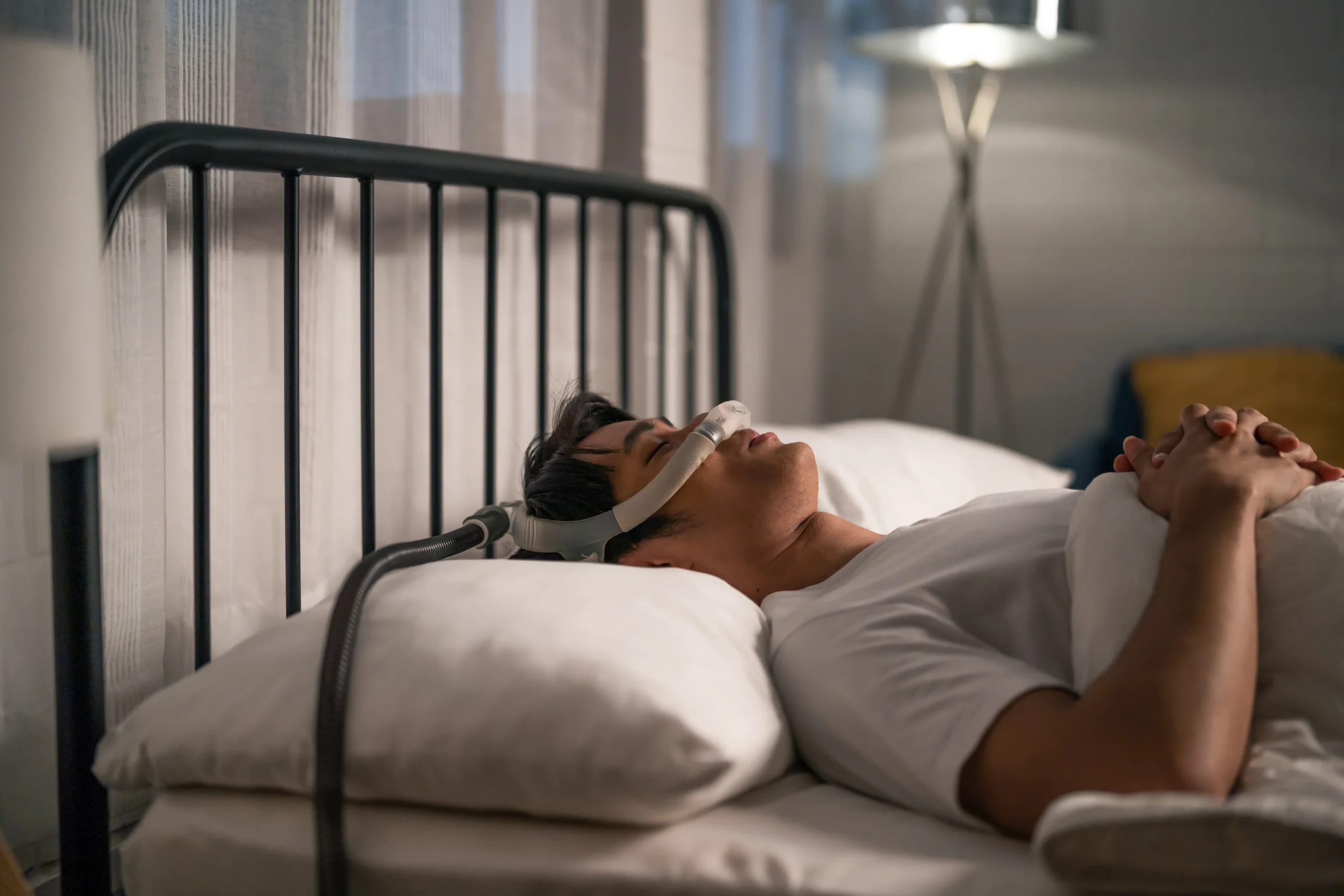
Sleep apnoea is a serious condition, often linked with snoring, that poses health risks well beyond disrupted sleep. It occurs when the upper airway narrows during sleep, leading to interrupted breathing, reduced oxygen levels, and brain micro-arousals. Key signs that call for expert evaluation include unrefreshing sleep, daytime tiredness, mood changes, and loud snoring.
Left untreated, obstructive sleep apnoea (OSA) can lead to serious complications, including cardiovascular disease, stroke, type 2 diabetes, and an increased risk of road and workplace accidents. Visiting a sleep apnoea clinic is the first step towards an accurate diagnosis if you recognise these symptoms in yourself or a partner.
Why Dr. Aditi Desai Stands Out
From diagnosis to long-term follow-up, Dr. Desai ensures every patient receives attentive, evidence-based care that promotes lasting improvements in sleep quality and well-being.
Symptoms of Sleep Apnoea
One of the most common signs of OSA sleep apnoea is loud snoring, often accompanied by daytime fatigue. Many individuals with sleep OSA experience breathing pauses after falling asleep, leading to choking, gasping, or a sensation of drowning. Waking up to a loud snort or sudden breath intake is also a frequent symptom.
Symptoms
Causes and Factors
- Witnessed breathing pauses during sleep (noted by a bed partner)
- Morning headaches
- Sore throat or dry mouth upon waking
- Restless sleep and frequent awakenings
- High blood pressure
- Frequent nocturia (waking up multiple times to urinate)
- Waking with a racing heart
- In children, poor attention span, behavioral issues, or academic struggles
- Excessive daytime sleepiness and difficulty concentrating
- Excess weight
- Anatomical differences
- Use of alcohol or sedatives
- Smoking
- Older age
- Family history and genetics
Years of Experience in
the Medical Field
Frequently Asked Questions
01What is obstructive sleep apnoea (OSA)?
Obstructive Sleep Apnoea is a highly prevalent sleep disorder with significant comorbidities associated with it. During sleep, the walls of the upper airway collapse and disrupt normal breathing pattern. This can lead to brain microarousals and lack of oxygenation in the body systems. Not all snorers have OSA, but mostly all apnoeics are snorers. If your snoring highlights any of the following symptoms, it may be an indication that you should seek further evaluation from a professional.
OSA can have a profound effect on one’s quality of life; interrupted sleep on an ongoing basis, can lead to increased fatigue on waking and throughout the day. this increases the risk of developing other medical conditions through an inflammatory process.
02What should I do if I have symptoms of sleep apnoea?
If you are experiencing symptoms of sleep apnoea, it’s important to seek professional evaluation. Please fill out our consultation form on our website to schedule an appointment with our specialist who can provide a comprehensive assessment and discuss suitable treatment options.
03What causes sleep apnoea?
Sleep apnoea is primarily caused by a physical blockage of the airway, often when the soft tissue in the back of the throat collapses during sleep. Factors that can contribute to the risk of this blockage include:
Excess weight, which can put pressure on the airway.
Anatomical differences such as a narrow throat, enlarged tonsils, or adenoids.
Use of alcohol or sedatives, which relax the muscles in the throat.
Smoking, which can increase inflammation and fluid retention in the throat.
Age, as sleep apnea is more common in older adults.
Family history and genetics, indicating a possible inherited risk.
04How can I prevent sleep apnoea?
Preventing sleep apnoea involves adopting several lifestyle changes:
- Maintain a healthy weight, as obesity can increase the risk.
- Reduce alcohol consumption, especially before bedtime.
- Quit smoking, as it can increase inflammation and fluid retention in the airway.
- Treat nasal congestion or allergies that might block airways.
- Adopt a sleep position that helps maintain open airways, such as sleeping on your side.
- Ensure regular physical activity to improve overall health and reduce risk factors.
Implementing these strategies can help lower the risk of developing sleep apnoea or alleviate the symptoms if you already have the condition.
05Dentists and Sleep
Disorders
Dentists are pivotal in identifying those patients at risk of Sleep Disordered Breathing which include, Snoring, Upper Airway Resistance Syndrome and OSA.
This is an upper airway disease and dentists and their hygienists are well placed to be able to note signs and symptoms pertaining to underlying sleep disorder from their own patient base.
Patients often ask a dentist to help with snoring but these patients may be suffering with more than snoring and a dentist can screen and assess and either refer on to a sleep specialist or treat if deemed appropriate.
A dentist can also carry out a Home Sleep Apnoea Test (HSAT) to screen for an underlying problem and manage the patient appropriately depending on the reported results of the sleep test.
A trained dentist is duly qualified to provide a Mandibular Advancement Device (MAD) for snoring, sleep apnoea and in some cases, Upper Airway Resistance Syndrome (UARS).
Book a Consultation
The most commonly prescribed treatment for Sleep Disordered Breathing (SDB) which includes snoring, upper airway resistance syndrome (UARS) and sleep apnoea (OSA) is Continuous Positive Airway Pressure (CPAP), but with the high non compliance and intolerance of this treatment, oral appliances in the form of Mandibular Advancement Devices (MADs) are a very plausible and highly effective alternative.
Associations