01.10.2025
Menopause is a natural phase in a woman’s life, marking the end of her reproductive years. While it brings relief from menstruation and the potential for pregnancy, it also introduces a range of new challenges, one of the most common being menopause trouble sleeping. Sleep problems during menopause can disrupt daily life, affect mood, and reduce overall quality of life. Understanding how menopause impacts sleep and learning how to manage these disruptions with the expertise of Dr. Aditi Desai can help women navigate this important stage with greater ease.
What Are the Causes of Sleep Problems in Menopause?
To understand the connection between menopause sleep problems and sleep disturbances, it’s important to explore the underlying causes. During menopause, women experience significant hormonal fluctuations, especially in the levels of estrogen and progesterone. These hormones greatly influence sleep, and their decline can lead to many sleep issues.
Declining Estrogen Levels
Estrogen has a direct influence on the regulation of the body’s sleep-wake cycle. It affects serotonin levels in the brain, a neurotransmitter that helps regulate mood and promotes sleep. As estrogen levels decrease during menopause, women may find it harder to fall asleep and stay asleep. Estrogen also has a protective effect on the heart and blood vessels, and as its levels drop, women may experience an increase in the frequency of hot flashes and night sweats, which can disrupt sleep.
Decreased Progesterone Levels
Progesterone is another hormone that decreases significantly during menopause. It is known for its calming and sleep-promoting effects. This hormone helps prepare the body for sleep by relaxing the muscles and promoting a restful state. As progesterone levels decline, many women experience insomnia or trouble sleeping during menopause. This lack of sleep can leave women feeling tired, irritable, and fatigued during the day.
Mood Changes and Anxiety
Another factor that contributes to sleep problems during menopause is mood changes that often accompany this stage. Hormonal fluctuations can lead to feelings of anxiety and irritability, all of which can impact sleep. Anxiety, in particular, can make it difficult for women to quiet their minds and fall asleep. The mental and emotional stress of navigating menopause can contribute to trouble sleeping, leading to restless nights and daytime fatigue.
The Impact of Menopause Trouble Sleeping on Daily Life
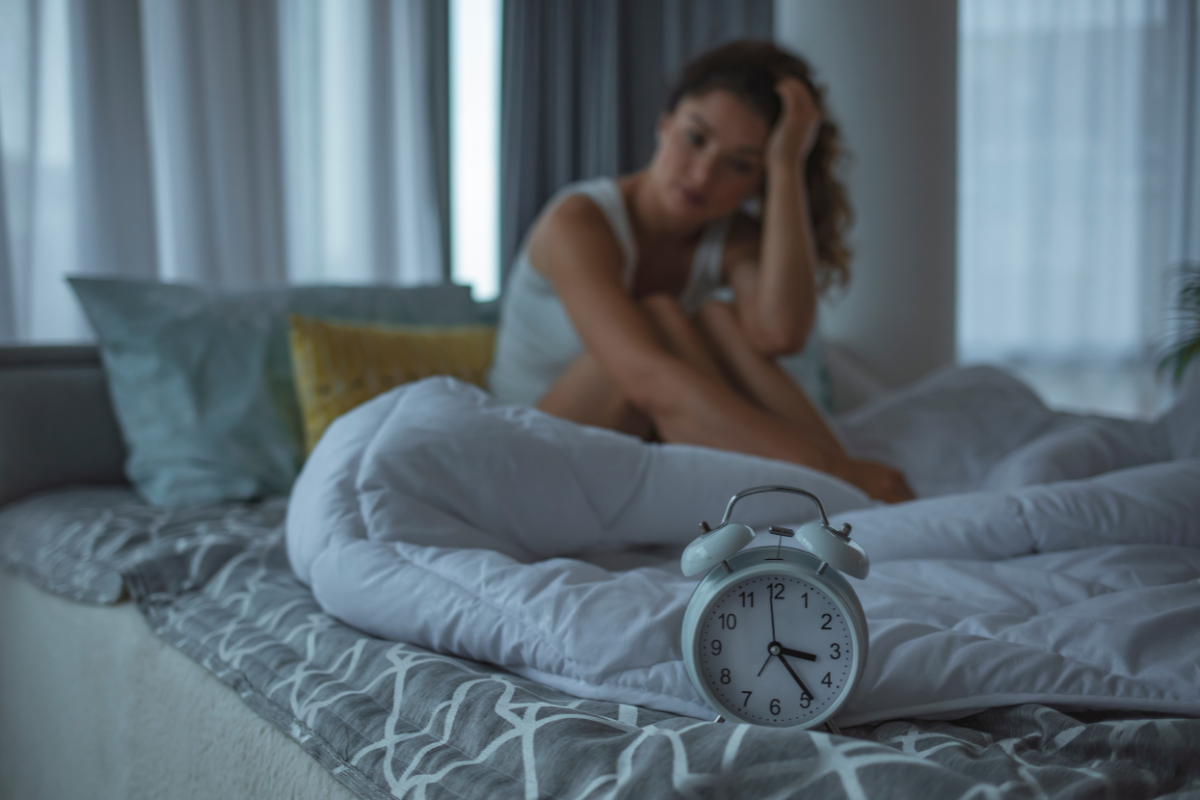
The consequences of menopause trouble sleeping can extend far beyond simply feeling tired. Sleep is essential for physical and mental well-being, and disruptions to sleep can have a profound impact on a woman’s health.
Reduced Cognitive Function
Lack of sleep during menopause can lead to difficulty concentrating, poor memory, and foggy thinking. Cognitive function is often impaired when sleep is disrupted, making it harder to perform daily tasks. This can lead to frustration and feelings of inadequacy, further exacerbating the challenges of menopause.
Emotional and Mental Health Issues
Chronic sleep deprivation can lead to mood swings and even depression. The emotional toll of menopause, combined with trouble sleeping, can make it difficult for women to cope with everyday stresses. A lack of restful sleep can make women feel overwhelmed, leading to further anxiety and emotional strain.
Common Sleep Problems: Menopause and Its Symptoms
The most common menopause sleep problems that women experience include insomnia, night sweats, and restless leg syndrome. Let’s take a closer look at these issues:
Insomnia
This is one of the most prevalent sleep problems during menopause. Women may find it hard to fall asleep, stay asleep, or both. They may wake up often during the night or feel restless, unable to get comfortable. This can lead to fragmented sleep, leaving women feeling exhausted the next day. Insomnia during menopause is often linked to hormonal fluctuations, as well as stress from other symptoms.
Hot Flashes and Night Sweats
As mentioned earlier, these are among the most common trouble sleeping symptoms during menopause. They can cause women to wake up multiple times throughout the night, drenched in sweat. The discomfort of hot flashes can make it impossible to return to sleep, leading to prolonged wakefulness. The anxiety caused by their unpredictability can also keep women awake.
Restless Leg Syndrome
Restless leg syndrome (RLS) is another condition that can contribute to menopause sleep problems. RLS causes an uncontrollable urge to move the legs, particularly at night. The sensation can be uncomfortable or even painful, making it difficult to relax and fall asleep. Hormonal changes may worsen RLS during menopause, adding to overall sleep disturbances.
Sleep Apnoea
Sleep apnoea, a condition characterized by pauses in breathing during sleep, can arise or worsen during menopause. Hormonal changes increase the likelihood of developing sleep apnoea. Women with this condition experience interrupted sleep and often wake up gasping for air, which can significantly affect sleep quality and cause daytime fatigue.
Managing Sleep Problems During Menopause
While menopause-related sleep problems can be frustrating, there are several strategies that can help women manage their symptoms and improve sleep quality:
-
Create a Relaxing Bedtime Routine
This helps signal to the body that it’s time to wind down and prepare for sleep. Avoid stimulating activities such as using electronics or consuming caffeine before bed. Relaxation techniques like deep breathing or yoga can calm the mind and prepare the body for rest.
-
Keep the Bedroom Cool
Since hot flashes and night sweats are common, keeping the bedroom cool can make a big difference. Use breathable, moisture-wicking sheets and lightweight clothing. Adjust the thermostat or use a fan to maintain a comfortable temperature throughout the night.
-
Exercise Regularly
Regular physical activity improves sleep quality during menopause. Exercise promotes relaxation, reduces stress, and supports the body’s natural sleep rhythms. However, avoid exercising too close to bedtime, as it may make it harder to fall asleep.
-
Manage Stress and Anxiety
Stress and anxiety can trigger trouble sleeping. Cognitive behavioral therapy (CBT) and mindfulness practices are particularly effective for managing anxiety. Journaling or counseling can also help women process emotions during menopause.
-
Consider Hormone Replacement Therapy (HRT)

For some women, HRT can help alleviate menopause-related sleep issues by restoring hormonal balance. It involves replacing estrogen and progesterone that the body no longer produces. Always consult with a healthcare provider to discuss the potential risks and benefits of HRT.
-
Seek Professional Help
If sleep problems persist or become overwhelming, consult a healthcare provider or sleep specialist. They can recommend treatments such as medications or sleep therapy to address insomnia, sleep apnoea, or other related disorders.
Menopause sleep problems are a common and often frustrating experience for many women. The hormonal fluctuations during this time can disrupt sleep patterns, leading to insomnia, night sweats, and hot flashes. These disruptions can significantly impact physical, emotional, and mental well-being.
Fortunately, by understanding the root causes of menopause-related sleep issues and applying effective strategies, women can improve their sleep quality and overall health. Creating a relaxing bedtime routine, managing stress, keeping the bedroom cool, and seeking professional help are just a few ways to ensure better sleep during this transformative time.
If you’re struggling with sleep disturbances during menopause, contact us or schedule a consultation with Dr. Aditi Desai to receive personalized care and support tailored to your needs.