

Facebook-fLinkedin-inInstagram

Call Us:

+442046007116

Send mail:

secretary@aditidesai.co.uk
Logo AD
  • About Us
  • Treatments
    • Bruxism
    • Snoring
    • Sleep Apnoea
    • TMJ Treatment
  • Journey
  • Contacts
  • Blog
Book Your Consultation
Logo AD
Logo AD
  • About Us
  • Treatments
    • Bruxism
    • Snoring
    • Sleep Apnoea
    • TMJ Treatment
  • Journey
  • Contacts
  • Blog
Book Your Consultation
  • About Us
  • Treatments
    • Bruxism
    • Snoring
    • Sleep Apnoea
    • TMJ Treatment
  • Journey
  • Contacts
  • Blog

Treatments

HomeTreatments

Your Sleep Journey

Sleep Disordered Breathing is a heterogeneous disorder, and it is becoming more apparent that each patient needs a personalised treatment journey. That means that each patient has a specific need or tolerance of the treatments available and establishing that is the role of the sleep specialist and the trained dentist.

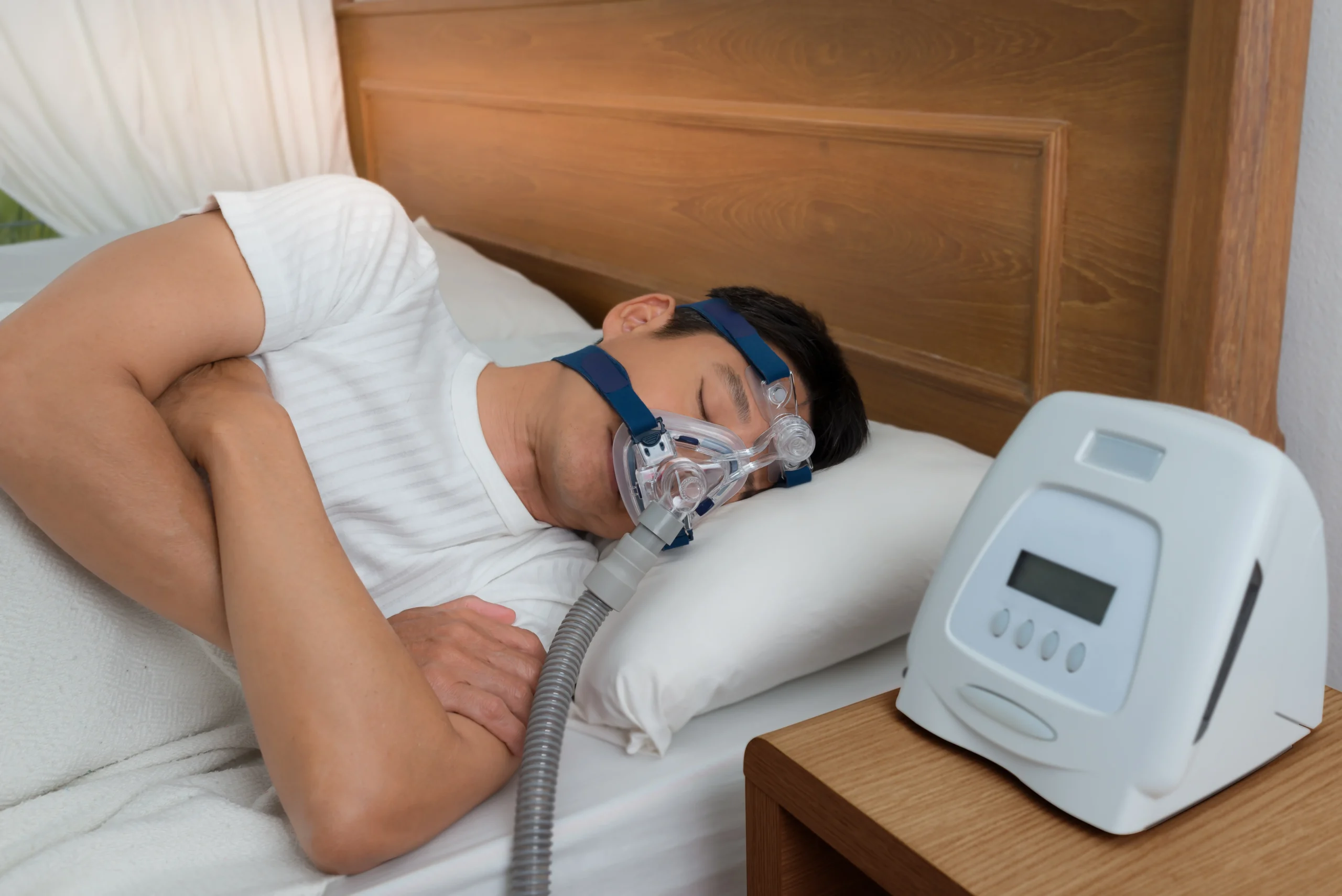
The most commonly prescribed treatment for Sleep Disordered Breathing (SDB) which includes snoring, upper airway resistance syndrome (UARS) and sleep apnoea (OSA) is Continuous Positive Airway Pressure (CPAP).

Mandibular Advancement Devices (M.A.D) are commonly prescribed for snoring and for the milder end of the disorder but they are gaining popularity, as they are being shown to be, in most cases, to be as effective as CPAP in controlling the symptoms of the disorder.

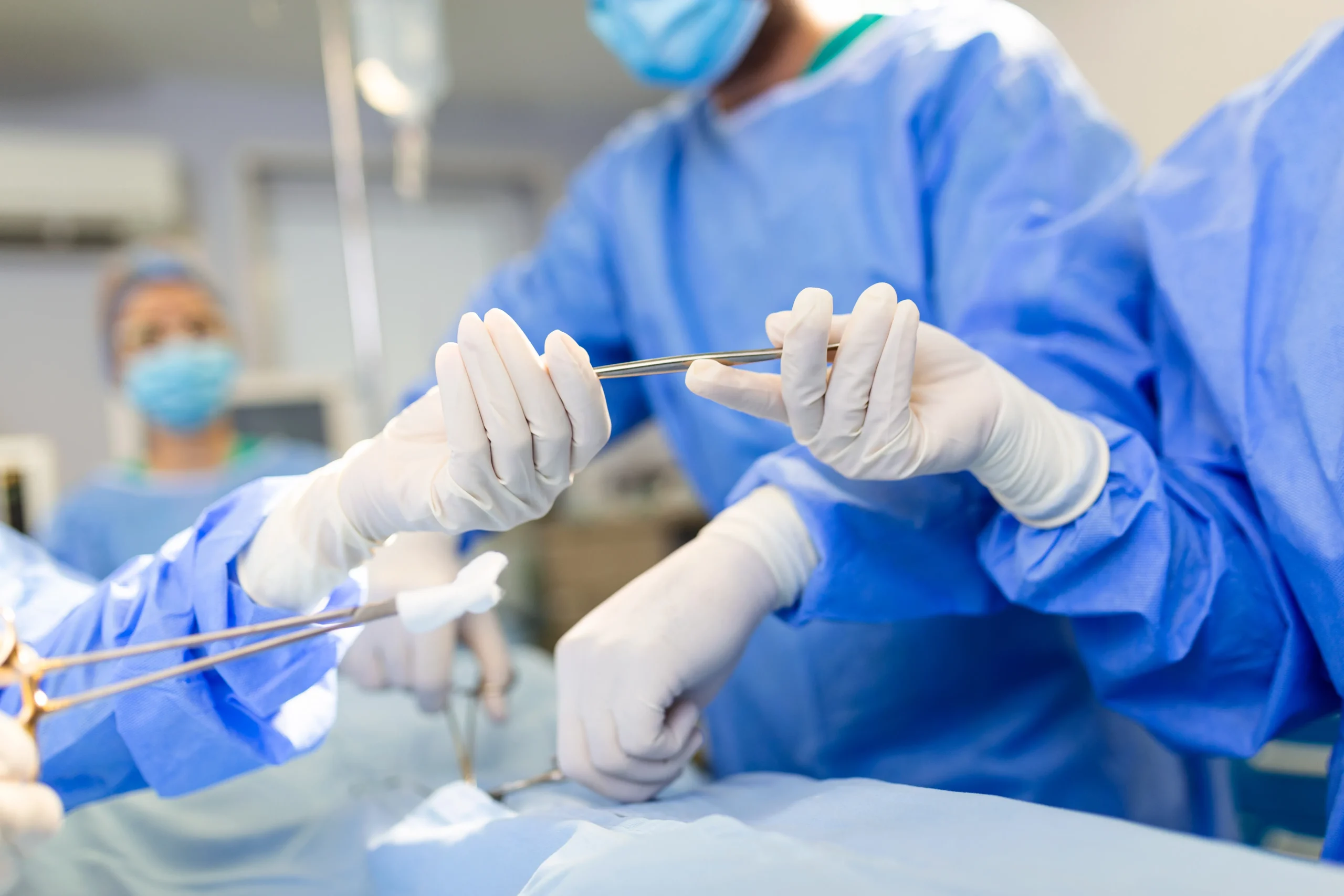
Surgery is recommended for obstruction due to enlarged soft tissue in the airway, or where the upper and/or lower jaw are under-developed or set back leading to airway obstruction.

The risks and benefits of each treatment modality for sleep apnoea vary depending on the individual case and the specific treatment being used. However, some general risks and benefits associated with common treatment options are:

However, some general risks and benefits associated with common treatment options are:

1. Continuous Positive Airway Pressure (CPAP) Therapy:

Benefits: CPAP therapy is the most effective treatment for sleep apnoea, reducing symptoms and improving overall health and quality of life. It is non-invasive and can be used in all types and severities
of sleep apnoea.

Risks: The main risks associated with CPAP therapy are discomfort, airway dryness, nasal congestion, and difficulty tolerating the mask. Long-term use of CPAP may also lead to complications such as skin irritation, pressure ulcers, and sinus problems. There is a fairly high intolerance of this treatment.

young man taking apnea treatment
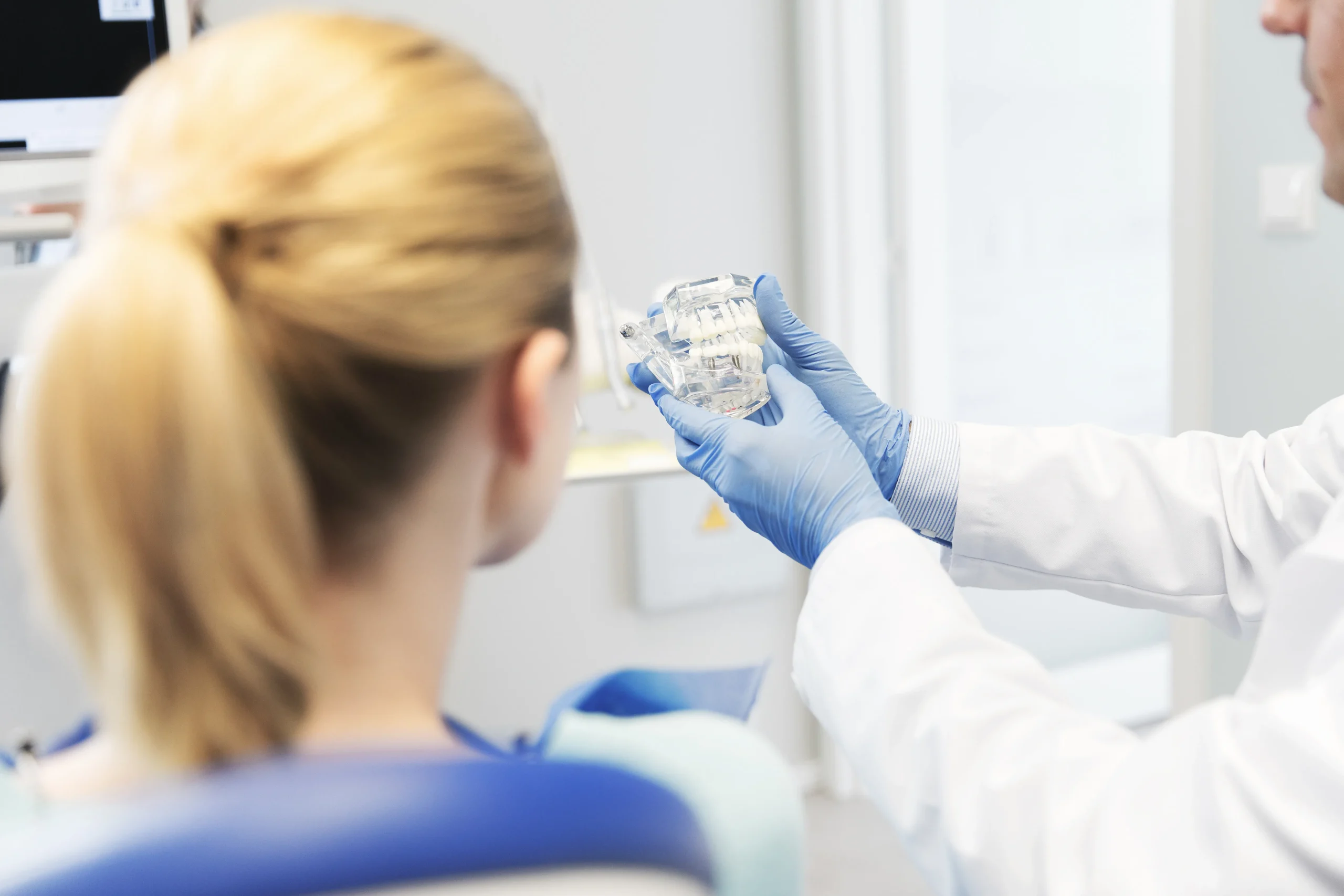
stomatology health care

2. Oral Appliance Therapy: (MAD)

Benefits: Oral appliances are an effective treatment option for mild to moderate sleep apnoea. It has been shown in recent trials to be as effective as CPAP in a select group of severe apnoea patients. They are easier to use than CPAP machines and can be more comfortable and compliance is high.

Risks: Occasionally, oral appliances can cause jaw discomfort but can also help alleviate the same with careful assessment. Bite changes can occur but we try and minimise the risk with the appropriate exercises and use of morning re-aligners. On initial wear, the oral appliance can increase salivation but this usually abates in a few days.

3. Surgery:

Benefits: Surgery can be an effective treatment for sleep apnoea in some cases, especially when other treatments have failed. It can improve breathing and reduce symptoms, leading to better sleep and quality of life.

Risks: Surgery has risks associated with any surgical procedure, including bleeding, infection, and complications from anaesthesia. It may also lead to unintended consequences, such as worsening of sleep apnoea or changes in voice or speech.

shot operating room
woman lying on the bed

4.Lifestyle Changes:

Benefits: Making lifestyle changes such as losing weight, changing sleep position, and avoiding alcohol and sedatives can improve symptoms and reduce the severity of sleep apnoea.

Risks: Lifestyle changes may not be enough to fully treat sleep apnoea, and they may be difficult to maintain over time.

Bruxismicon plusSnoringicon plusSleep Apnoeicon plusT MJ Disorder

Bruxismicon plusSnoringicon plusSleep Apnoeicon plusT MJ DisorderBruxismicon plusSnoringicon plusSleep Apnoeicon plusT MJ DisorderBruxismicon plusSnoringicon plusSleep Apnoeicon plusT MJ DisorderBruxismicon plusSnoringicon plusSleep Apnoeicon plusT MJ DisorderBruxismicon plusSnoringicon plusSleep Apnoeicon plusT MJ Disorder
Dr Aditi Desai

Emerging Therapies Beyond the Basics

In addition to the above main treatments available, there are several new emerging therapies that have been developed.

Positional Therapy

A large number of patients’ snoring and sleep apnoea is worse when lying on the back. To keep on the side, pillows and electronic gadgets are available to help.

01

Exciteosa

This is a daytime treatment that passes gentle electrical pulses to the tongue fibres to make them less collapsible hence reducing the collapsibility of the tongue while

02

Myofunctional therapy

This therapy is a useful adjuvant for strengthening the muscle around the mouth and the airway. This therapy involves daily exercises and particularly useful for children.

03

Hypoglossal Innervation

Hypoglossal Nerve Innervation (HNI) - this is a surgical treatment which involves embedding electrodes within the upper right clavicular area the nerve that serves the muscles of the tongue. It activates when the muscle collapses

04

Nasal cones or strips

Nasal cones or strips to keep the airway open while sleeping is a good adjuvant with oral appliance therapy.

05
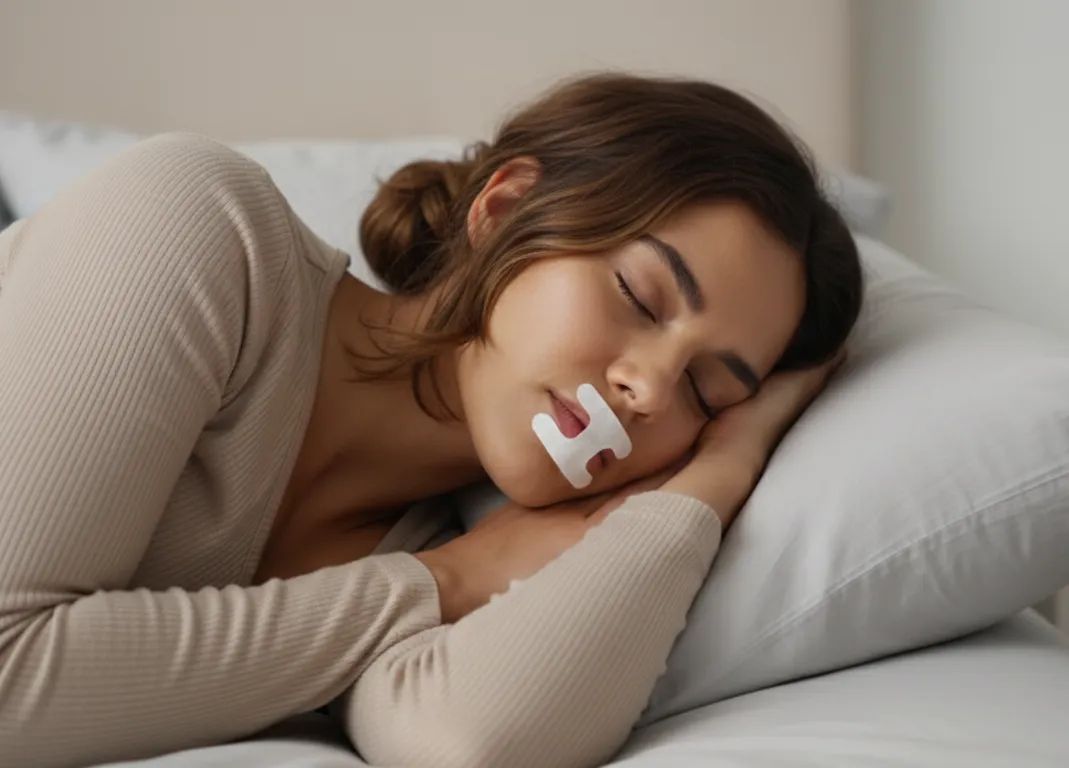
Mouth Tape

Nasal breathing is the healthiest form of breathing recommended for every person. Breathing through the mouth is considered inappropriate as it not only dries the mouth but predisposes one to develop dental caries and gum disease. breathing through the nose is recommended for a number of reasons, the air is humidified, disinfected and dust particles are caught in the nasal passages. The most important aspect of nasal breathing is the release of a gas called NITRIC OXIDE. This gas is a very useful gas that dilates the airways and blood vessels, improving oxygenation and reduction of blood pressure. To encourage nasal breathing, the use of mouth tape is recommended.

Mouth Tape
Dr Aditi Desai

Book a Consultation

The most commonly prescribed treatment for Sleep Disordered Breathing (SDB) which includes snoring, upper airway resistance syndrome (UARS) and sleep apnoea (OSA) is Continuous Positive Airway Pressure (CPAP), but with the high non compliance and intolerance of this treatment, oral appliances in the form of Mandibular Advancement Devices (MADs) are a very plausible and highly effective alternative.

Arrange a Consultation

Associations

Logo British academy
Logo ARTP
Logo BSS
Logo The ROYAL SOCIETY of MEDICINE
Logo Society
Logo

Begin your journey to a new, vibrant you with a sleep consultation with Dr Aditi Desai.

Start Today

Contact Us

We are Here:
77 – 79 Wimpole St, Marylebone, London, W1G


9RU The Shard, 32 St Thomas St, London, SE1 9BS

Send Mail:

secretary@aditidesai.co.uk

Call Us:   +442046007116


Facebook-fLinkedin-inInstagram

Useful Links

About us

Snoring

Sleep Apnoe

T MJ Disorder

Treatments

Journey

Contact

Blog

© 2025 Website by WebUgol
Complaints Policy
Privacy Policy
Top